
Riseup Multitrade Solutions
GST : 27AUUPJ8160E3Z6

Call us
08045475761
Call us
08045475761
Advanced Manufacturing Process Flow of Riseup AAC Plants
Our AAC Block Manufacturing Plants utilize a precisely engineered, step-by-step automated workflow to produce lightweight, high-strength structural blocks with flawless consistency.
The Production Process:
Slurry Preparation: Fly ash or sand is finely ground with water in a heavy-duty ball mill to achieve the ideal slurry density.
Automated Dosing & Mixing: Slurry, lime, cement, and gypsum are automatically weighed and thoroughly blended. Aluminum powder is added at the exact final stage to trigger the aeration process.
Molding & Rising: The mix is poured into heavy-duty molds where hydrogen gas generation causes the mixture to rise, creating millions of microscopic air cells.
Precision Wire Cutting: Once the cake achieves a "green strength," it is systematically turned $90circ$ and sliced horizontally and vertically with high-tensile steel cutting wires for precise dimensional accuracy.
Autoclave Curing: The cut blocks undergo high-pressure steam curing at temperatures around 180C and pressures up to 12 Bar, finalizing the chemical reaction that gives AAC its legendary strength and durability.
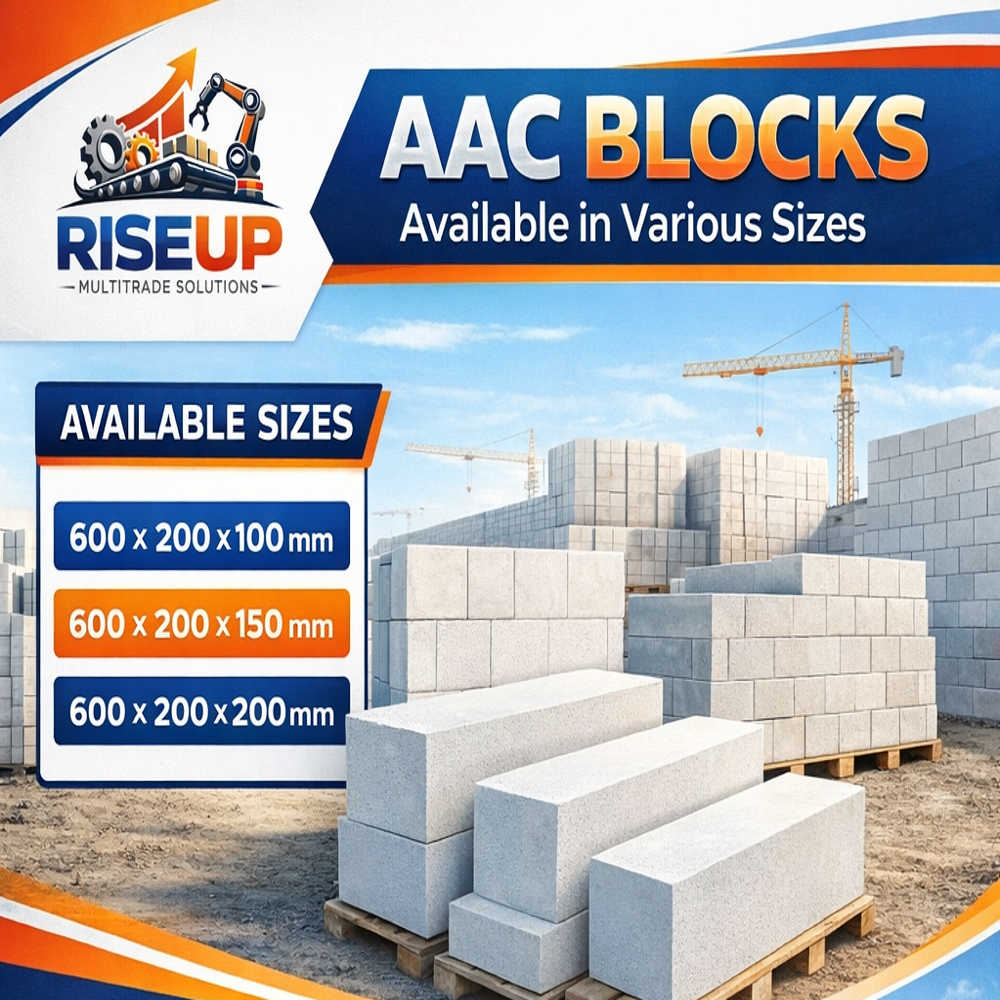

Price:
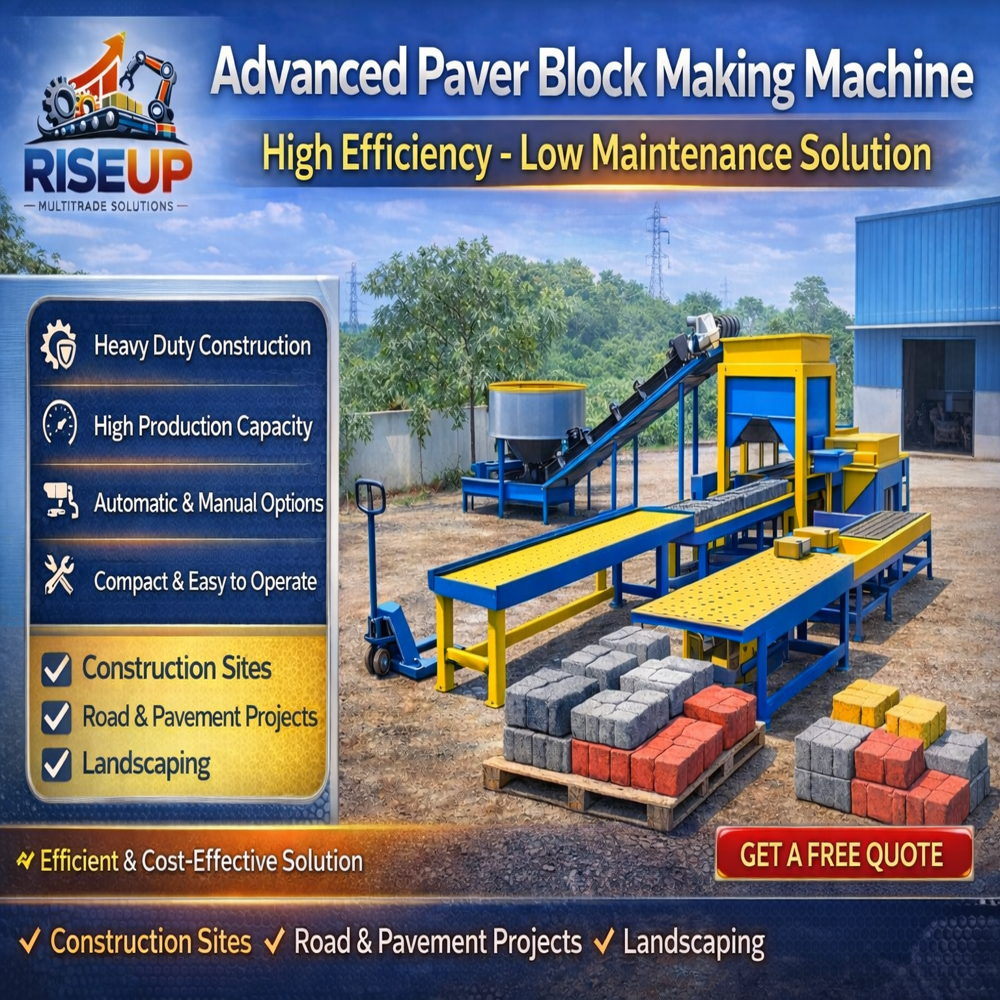
Price 130000.0 INR / Piece
Minimum Order Quantity : 1 Piece
Power : 7 Watt (w)
Voltage : 10 Volt (v)
Type : Other
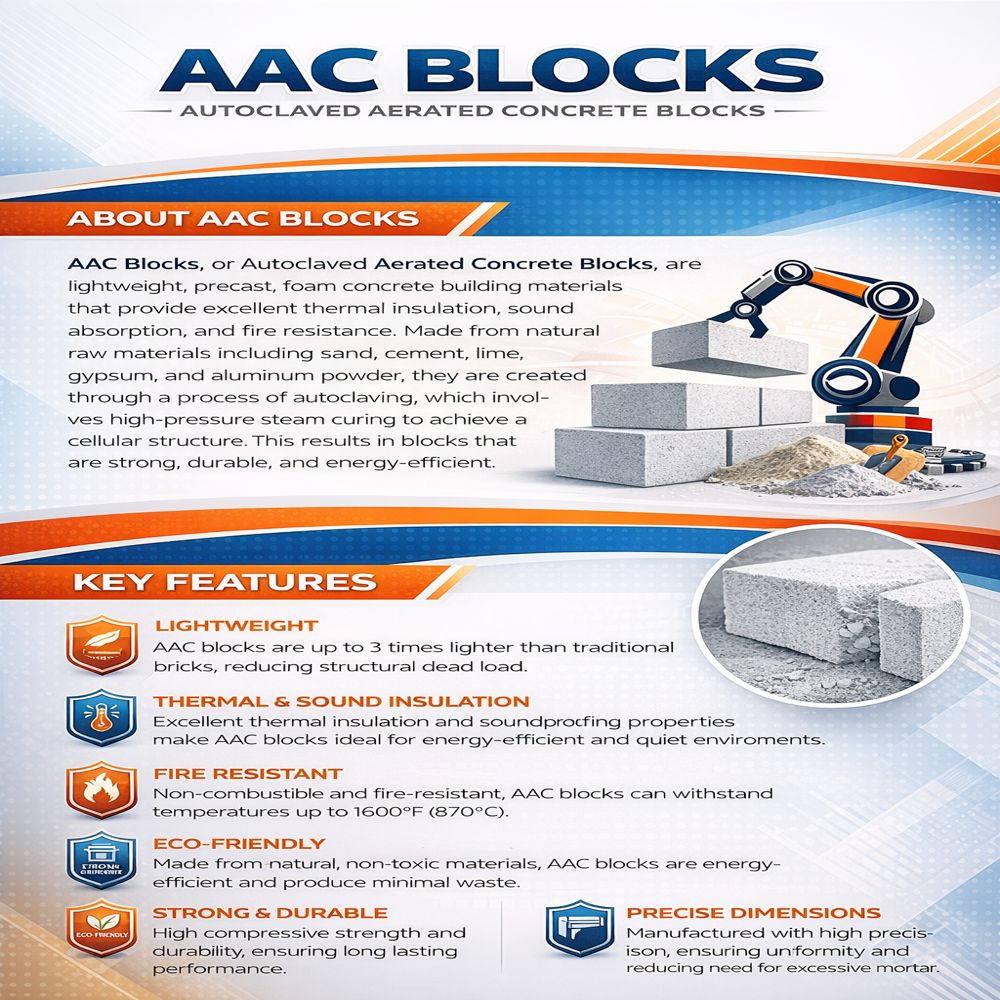
Price 7500000.0 INR / Cubic Meter
Minimum Order Quantity : 1 Unit
Product Type : Autoclaved Aerated Concrete Block Plant
Power : Depends on production scale and automation (specific values provided per setup)
Voltage : Configured as per region/plant standards
Type : Other, Precast, lightweight cellular concrete block plant
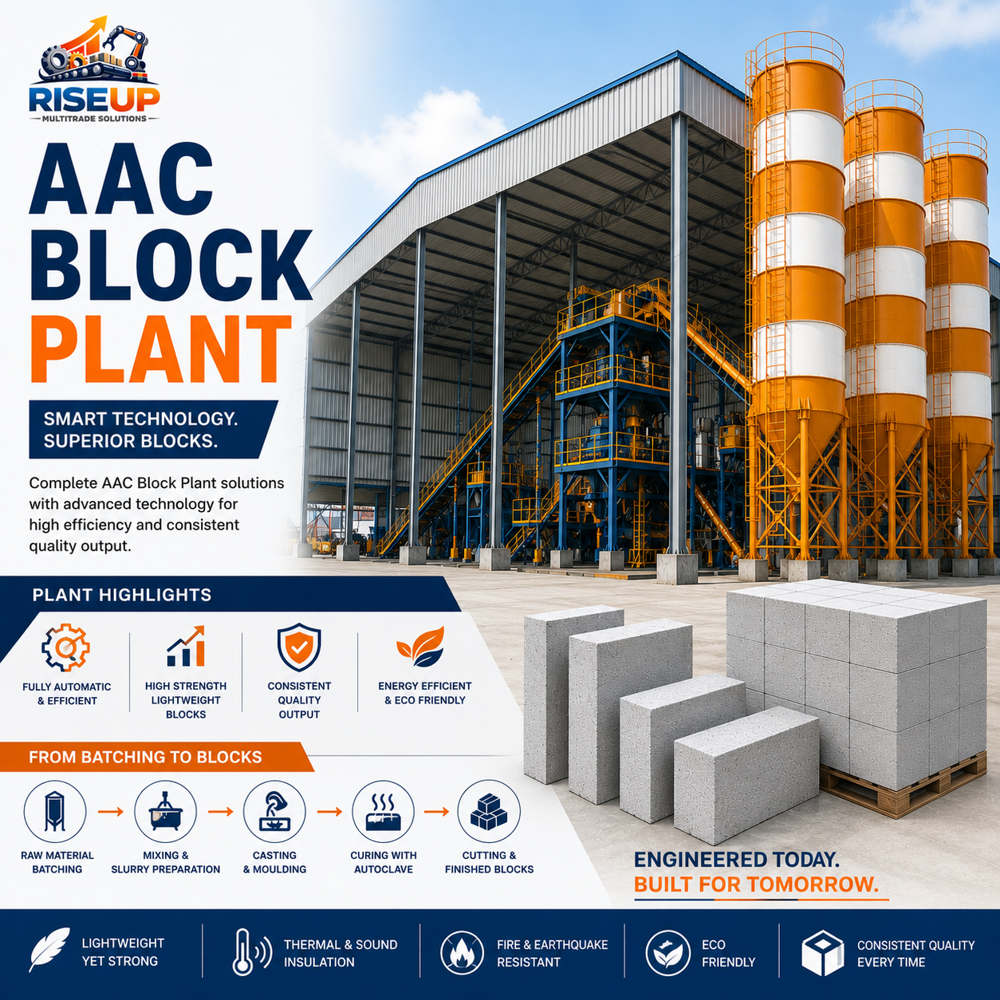
Price 7099983.0 INR / Piece
Minimum Order Quantity : 1 Piece
Product Type : AAC Block Production Line
Power : Customizable based on plant scale
Voltage : Customized as per client region
Type : Other, Industrial block production plant
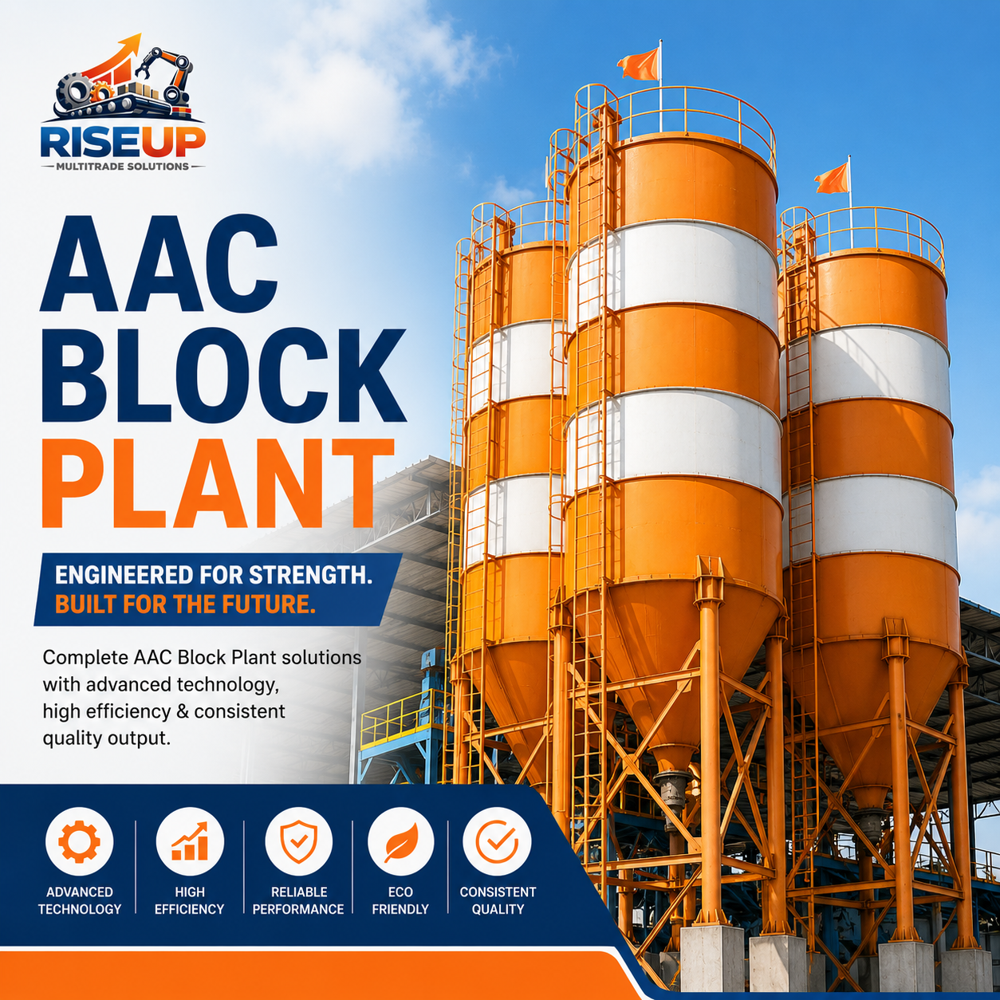
Price 6500000.0 INR / Piece
Minimum Order Quantity : 1 Number
Product Type : AAC Block Plant
Power : Customized as per requirement
Voltage : Based on Plant Configuration
Type : Other, Industrial Plant

 Send Inquiry
 Send Inquiry

